





Jaipur, the vibrant capital of Rajasthan, India, is a city that effortlessly marries historical grandeur with modern charm. Known as the Pink City due to its distinct pink-colored buildings, Jaipur is a treasure trove of cultural heritage, architectural splendor, and royal history. Whether you’re a history buff, a foodie, or an architecture enthusiast, Jaipur has something to captivate every traveler. In this Jaipur ultimate tour guide, we will take you through an authentic Jaipur experience, guiding you through its must-see attractions, hidden gems, local cuisine, and tips to make the most of your visit.

1. Historical Marvels: Exploring Jaipur’s Royal Legacy
Jaipur’s history is rich with tales of royalty, grandeur, and intrigue. Begin your exploration with these iconic historical sites:
1.1 Amber Fort (Amer Fort) A UNESCO World Heritage Site, Amber Fort stands as a majestic example of Rajput architecture. Perched on a hilltop, this fort features a stunning combination of Hindu and Mughal architectural styles. Don’t miss the Sheesh Mahal (Mirror Palace), where intricate mirror work creates a dazzling display of light. To get to the fort, you can opt for an elephant ride or a jeep ride for a more adventurous ascent.
1.2 City Palace The City Palace, once the residence of the Maharaja of Jaipur, is a sprawling complex that blends Mughal and Rajasthani architecture. Explore its exquisite courtyards, gardens, and museums. The palace also houses the Maharaja Sawai Man Singh II Museum, which displays a fascinating collection of royal artifacts, including armor, paintings, and textiles.
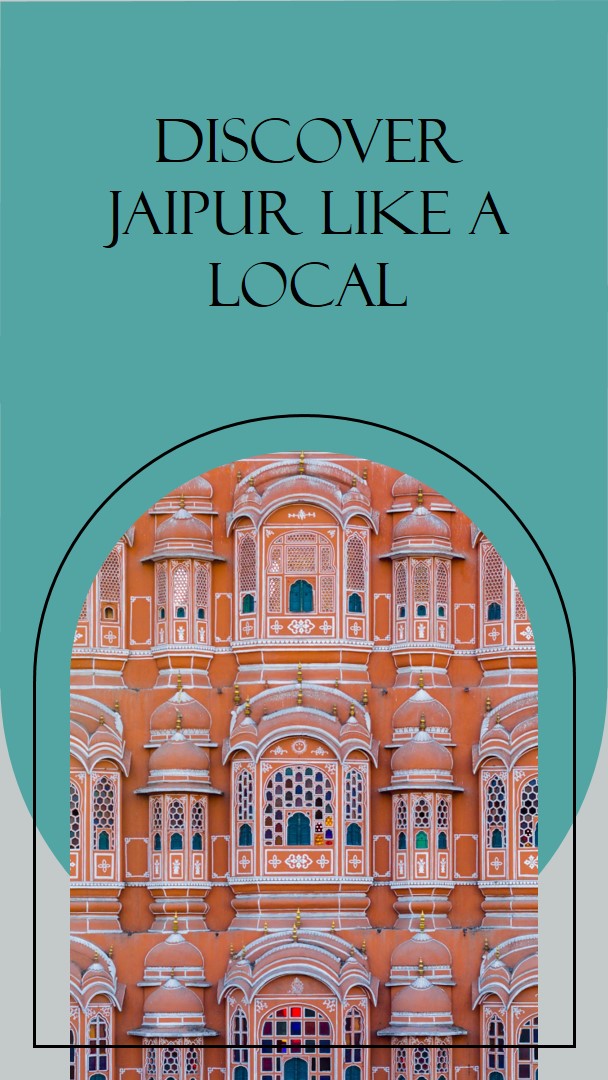
1.3 Hawa Mahal Known as the “Palace of Winds,” Hawa Mahal is an architectural marvel with its unique facade of 953 small windows. The palace was designed for the royal women to observe street festivals and life without being seen. The intricate lattice work and pink sandstone make it a perfect spot for photography.
1.4 Jantar Mantar A significant astronomical observatory built in the 18th century, Jantar Mantar boasts the world’s largest stone sundial. The observatory, also a UNESCO World Heritage Site, offers insights into the advanced astronomical knowledge of the Rajputs. The collection of 19 instruments, used for measuring time and celestial bodies, is a marvel of precision and craftsmanship.
2. Hidden Gems: Off-the-Beaten-Path Attractions
While Jaipur’s main attractions are well-known, exploring its lesser-known spots can offer a richer experience.
2.1 Nahargarh Fort Situated on the Aravalli hills, Nahargarh Fort provides a panoramic view of Jaipur’s cityscape. Originally built as a retreat for the royal family, it now offers a tranquil escape from the city’s hustle. The fort’s design is reminiscent of European castles and it is a popular spot for sunset views.
2.2 Jaigarh Fort Often overshadowed by its more famous counterparts, Jaigarh Fort is notable for its military architecture and panoramic views. It houses the world’s largest cannon on wheels, Jaivana, and has a series of interconnected structures and water storage systems.
2.3 Panna Meena Ka Kund This ancient stepwell is a hidden gem, known for its symmetrical and intricate staircases. Located near Amber Fort, it served as a water reservoir and a cool retreat. The stepwell’s design is an excellent example of Rajput engineering and architecture.
2.4 Galta Ji (Monkey Temple) Galta Ji, also known as the Monkey Temple, is a beautiful complex of temples and natural springs nestled in the Aravalli hills. The site is famous for its resident monkey population and its picturesque setting among the hills.
3. Culinary Delights: Savoring Local Flavors
Jaipur’s cuisine is as diverse and rich as its history. From street food to royal feasts, the city offers a gastronomic journey that is not to be missed.
3.1 Traditional Rajasthani Thali A traditional Rajasthani thali is a must-try. It typically includes dishes like dal baati churma (lentils, baked wheat balls, and sweet crushed wheat), gatte ki sabzi (gram flour dumplings in spicy gravy), and ker sangri (a desert bean and berry dish). Popular places to enjoy a Rajasthani thali include Chokhi Dhani and LMB (Laxmi Misthan Bhandar).
3.2 Street Food For an authentic street food experience, head to Johari Bazaar and Tripolia Bazaar. Sample local delights such as pyaaz kachori (onion-filled pastry), samosas, and kulfi (Indian ice cream). Be sure to try the famous lassi (yogurt drink) at Lassiwala.
3.3 Cafés and Modern Eats Jaipur has a burgeoning café culture with trendy spots like Tapri Central and The Curator Café. These places offer a blend of traditional and contemporary dishes, along with a relaxed ambiance. They are perfect for a leisurely breakfast or brunch.
4. Shopping and Souvenirs: A Shopper’s Paradise
Jaipur is a shopper’s paradise, offering everything from traditional handicrafts to contemporary fashion. Here’s where you can find the best deals and unique souvenirs:
4.1 Johari Bazaar Known for its exquisite jewelry, Johari Bazaar is the place to shop for traditional Rajasthani gold and gemstone jewelry. Look for intricate designs and beautiful pieces that reflect the region’s rich heritage.
4.2 Bapu Bazaar For textiles and handicrafts, Bapu Bazaar is ideal. The market is famous for its colorful fabrics, including block-printed textiles and bandhani (tie-dye) fabrics. You can also find traditional Rajasthani footwear (mojris) and accessories.
4.3 MI Road MI Road is a bustling shopping street with a variety of stores selling handicrafts, souvenirs, and modern fashion. It’s a good place to pick up traditional artifacts like miniature paintings and sculptures.
5. Cultural Experiences: Immersing in Local Traditions
To truly understand Jaipur’s vibrant culture, engage in local traditions and experiences.
5.1 Attend a Cultural Performance Jaipur’s cultural performances, such as folk dances and music, offer a glimpse into the region’s rich traditions. Many hotels and cultural centers host performances, including traditional Rajasthani dance forms like Ghoomar and Kalbelia.
5.2 Visit Local Temples Apart from the famous temples, explore lesser-known ones like the Birla Mandir and the Ganesh Temple. These sites provide insight into local religious practices and architecture.
5.3 Participate in Festivals If your visit coincides with local festivals like Diwali, Holi, or the Jaipur Literature Festival, immerse yourself in the celebrations. These events offer a unique opportunity to experience Jaipur’s festive spirit and cultural diversity.
6. Practical Tips for a Memorable Jaipur Experience
To ensure a smooth and enjoyable trip, keep these practical tips in mind:
6.1 Best Time to Visit The best time to visit Jaipur is between October and March when the weather is pleasant. Summers can be extremely hot, while monsoon season brings heavy rains.
6.2 Getting Around Jaipur is well-connected by taxis, auto-rickshaws, and ride-sharing services. For a local experience, consider hiring a cycle rickshaw or a traditional camel cart for short distances.
6.3 Dress Code While Jaipur is generally liberal, it’s respectful to dress modestly, especially when visiting religious sites. Light, comfortable clothing is recommended due to the city’s warm climate.
6.4 Safety and Hygiene Jaipur is relatively safe for tourists. However, exercise caution with street food and drink bottled water to avoid any stomach issues. It’s also wise to carry a small first-aid kit.
6.5 Currency and Payments The currency used in Jaipur is the Indian Rupee (INR). Credit and debit cards are widely accepted, but carrying some cash for smaller establishments and markets is advisable.
Conclusion
Jaipur, with its blend of history, culture, and modernity, offers a rich tapestry of experiences waiting to be explored. From the majestic forts and palaces to the bustling markets and serene temples, the Pink City promises a journey through time and tradition. By delving into its historical sites, savoring its culinary delights, and engaging with its local culture, you’ll uncover the true essence of Jaipur. So pack your bags, embrace the colors of the Pink City, and get ready for an unforgettable adventure!